

مقدمة: مزيج من التراث والحداثة
نافورة فلورا، الواقعة في قلب جنوب مومباي النابض بالحياة، هي أكثر من مجرد نصب تذكاري - إنها رمز حي لتراث المدينة الاستعماري ونموها الحديث. بُنيت في عام 1864 خلال الحكم البريطاني، وتعد هذه التحفة النيوكلاسيكية شاهقة عند تقاطع طريق D.N.، مما يربط التاريخ بحياة العاصمة المالية للهند السريعة. بالنسبة لمومبايكار، ليست مجرد علامة تراثية بل نقطة التقاء، محاطة بالمكاتب والمتاجر والمقاهي ومباني الحقبة الاستعمارية.
تجسد النافورة، التي سُميت على اسم إلهة الزهور الرومانية، فلورا، الرشاقة والتاريخ، لتصبح واحدة من أكثر الأماكن تصويرًا في مومباي. يكمن سحرها في قدرتها على نقل الزوار إلى العصر الاستعماري بينما لا تزال جزءًا لا يتجزأ من حياة المدينة المعاصرة. في هذه المدونة، سنقوم برحلة عبر تاريخ النصب المعماري، وعبقريته المعمارية، وتأثيره الثقافي، ودوره في مومباي الحديثة.

تاريخ نافورة فلورا: نصب تذكاري وُلِد في القرن التاسع عشر
تم بناء نافورة فلورا في عام 1864، وقد تم تكليفها من قبل جمعية الزراعة والبستنة في غرب الهند وصممها المعماري البريطاني ريتشارد نورمان شو. تم نحت النافورة من حجر بورتلاند المستورد وكرست للسير بارل فري، الذي كان آنذاك حاكم بومباي وكان له دور أساسي في تشكيل بنية المدينة التحتية.
كانت تكلفة نافورة فلورا الأصلية حوالي ₹47,000، وقد وضعت في الموقع الذي كان سابقًا مدخل كنيسة قلعة بومباي. مع مرور الوقت، أصبحت المنطقة المحيطة واحدة من أكثر المراكز التجارية ازدحامًا، لكن النافورة احتفظت بسحرها القديم. وتقف اليوم كذكرى للتأثيرات الفيكتورية والنيوقوطية التي شكلت مشهد مدينة جنوب مومباي.
كان افتتاح النافورة حدثًا عظيمًا، حيث شهد تحول المدينة إلى مركز حضري استعماري. بعد أكثر من 150 عامًا، لا تزال جوهرة في تاج تراث مومباي.
براعة معمارية: أناقة أوروبية في الحجر
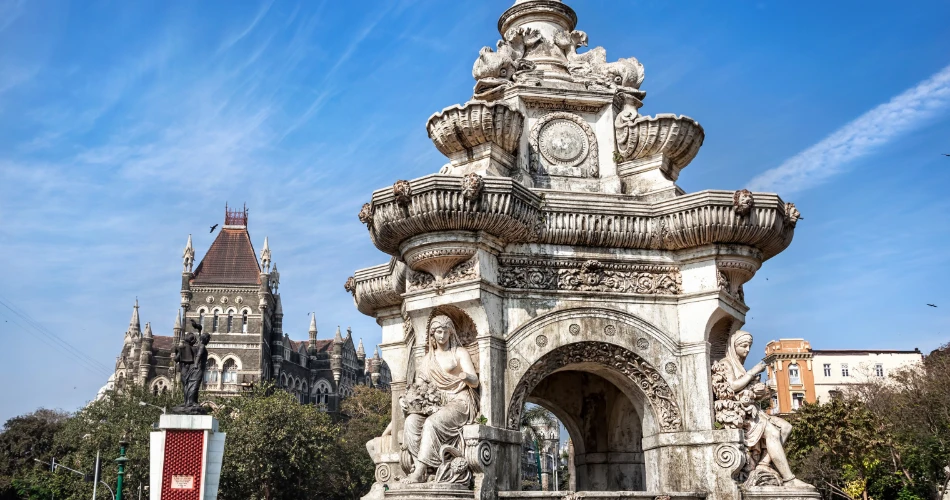
يُحتفى بنافورة فلورا لتصميمها المذهل. منحوتة من حجر بورتلاند، تتميز النافورة بتمثال مفصل لفلورا، إلهة الزهور والربيع الرومانية، في قمتها. حول قاعدتها، يمكن للمرء أن يعجب بالنقوش الدقيقة للكائنات الأسطورية، والزخارف النباتية، ورشات المياه، جميعها تعكس الجمالية الأوروبية.
ما يجعل نافورة فلورا تبرز هو جمعها بين الوظيفة والفن. لم تكن النافورة مجرد نصب تذكاري زخرفي ولكنها كانت أيضًا نافورة مياه تعمل خلال العصور الاستعمارية. يكمل أسلوبها الكلاسيكي الجديد بشكل مثالي العمارة القوطية والفيكتورية المحيطة بها في جنوب مومباي.
اليوم، مع جهود الترميم، أُعيدت النقوش في النافورة إلى الحياة، مما يسمح للزوار بالإعجاب بالفن الذي لا يزال يلهم المعماريين وعشاق التراث على حد سواء.
الأهمية الثقافية: أكثر من مجرد نصب تذكاري
نافورة فلورا كانت دائمًا أكثر من مجرد حجر وماء—إنها رمز ثقافي. بالنسبة للسكان المحليين، تعتبر معلمًا يربط الناس بماضي مومباي. موقع النافورة، في قلب منطقة فورت، يجعلها نقطة التقاء رمزية لأجيال من سكان مومباي.
كما تم تسليط الضوء عليها في الأدب، والتصوير الفوتوغرافي، والفنون. غالبًا ما وصفها الكتاب والشعراء كرمز لمرونة وجاذبية مومباي. يجد السياح الذين يزورون المنطقة أنها خلفية مثالية لتجربة الجذور الاستعمارية للمدينة بينما لا يزالون في وسط النشاط التجاري الحديث.
كل مساء، عندما تضيء النافورة، تتحول إلى مشهد رائع يأخذ الأنفاس. إنها مكان يلتقي فيه التاريخ بالرومانسية، وغالبًا ما يتوقف عشاق التراث للإعجاب بوجودها الخالد.
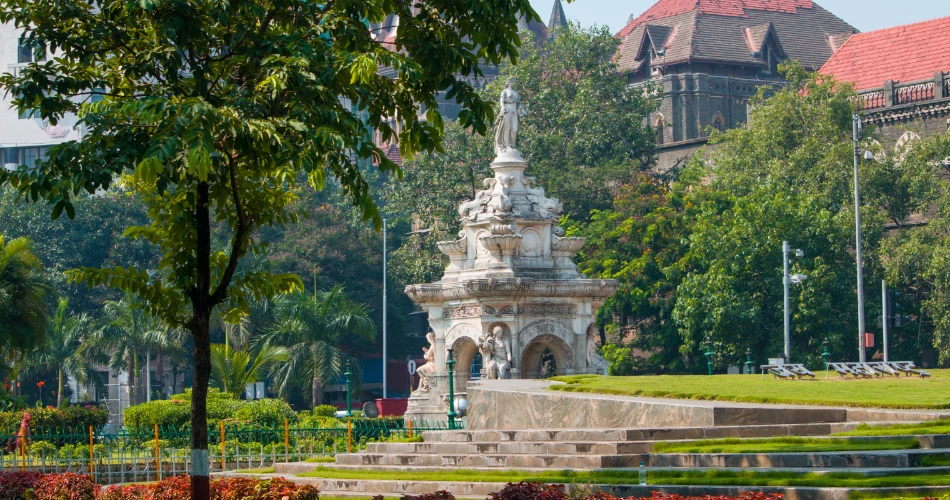
نافورة فلورا ومنظر التراث في جنوب مومباي
تضيف موقع نافورة فلورا إلى سحرها. تقع في منطقة فورت، وهي حي يضم العديد من المعالم التراثية، بما في ذلك محكمة بومباي العليا، وجامعة مومباي، ومكتبة آسيا. التجول حول نافورة فلورا يشبه الدخول إلى كتاب تاريخ، حيث تقف العمارة الفيكتورية والقوطية والهندية الساراسينية شامخة بين ناطحات السحاب الحديثة.
تقع النافورة أيضًا بالقرب من دائرة هورنيمان وبوابة الهند الشهيرة، مما يجعلها نقطة مركزية للمشي التراثي والجولات السياحية الموجهة. يبدأ العديد من السياح استكشافهم لجنوب مومباي من نافورة فلورا، حيث تقدم لمحة مثالية عن كيفية تعايش القديم والجديد في تناغم.
هذا المزيج من العمارة والتاريخ يجعل النافورة وجهة يجب زيارتها لطلاب العمارة والمؤرخين والسياح على حد سواء.
نافورة فلورا في مومباي الحديثة: معلم حي
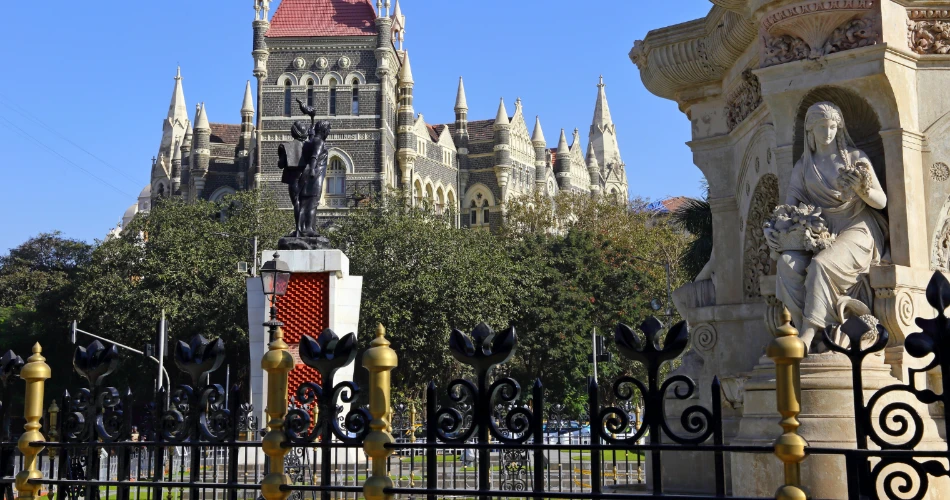
في مومباي الحديثة، تواصل نافورة فلورا لعب دور حيوي كمركز نابض بالحياة. محاطة بالمكاتب المزدحمة والمقاهي وبائعي الشوارع، تكيفت بسلاسة مع إيقاع المدينة السريع. على الرغم من الزحام المروري والنمو التجاري، تظل النافورة نقطة مركزية هادئة تجذب كل من السكان المحليين والسياح.
لقد عززت مشاريع الترميم الأخيرة التي قام بها لجنة الحفاظ على التراث في مومباي من جاذبيتها. لقد قامت هذه الجهود بتنظيف الحجر، واستعادة النقوش، وتركيب الإضاءة الحديثة، مما يضمن أن تظل نافورة فلورا ساحرة كما كانت في القرن التاسع عشر.
بالنسبة لجيل اليوم، ليست مجرد أثر استعماري بل تذكير بأن قوة مومباي تكمن في قدرتها على الحفاظ على القديم بينما تحتضن الجديد.
زيارة نافورة فلورا: نصائح للمسافرين
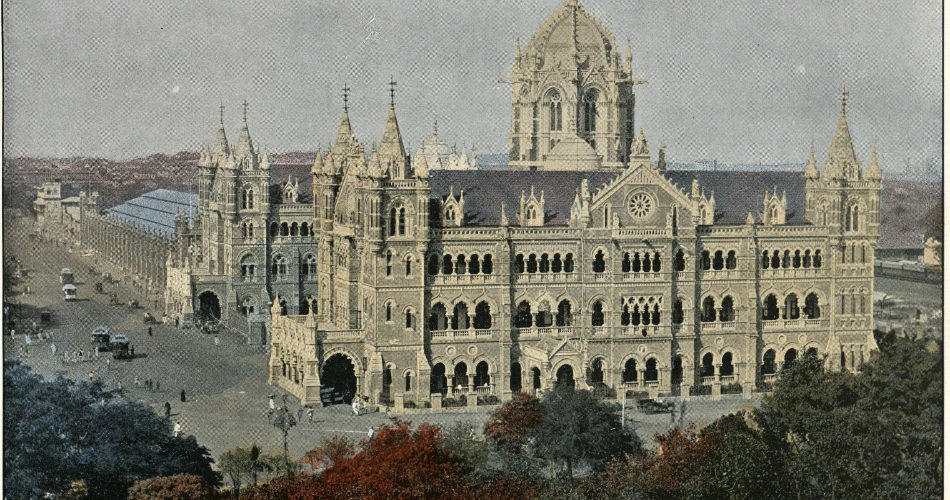
إذا كنت تخطط لزيارة نافورة فلورا، فمن الأفضل الذهاب في الصباح الباكر أو خلال المساء عندما تعزز الإضاءة جمالها. المنطقة مرتبطة بشكل جيد بقطارات وحافلات مومباي المحلية، مع وجود محطة شاتراباتي شيفاجي مهاراج وترمينوس ومحطة تشورشغيت القريبة.
تتضمن جولات التراث المنظمة حول جنوب مومباي غالبًا نافورة فلورا، مما يوفر رؤى أعمق حول تاريخها والمعالم المحيطة بها. يمكن للزوار أيضًا الاستمتاع بالمقاهي القريبة، ومتاجر الكتب، والمعارض الفنية، مما يجعلها تجربة ثقافية شاملة.
للهواة التصوير الفوتوغرافي، تعتبر النافورة الأكثر مث

الخاتمة: نافورة فلورا كرمز خالد في مومباي
نافورة فلورا هي أكثر من مجرد أثر من الماضي - إنها جسر بين الأناقة الاستعمارية وروح مومباي الحديثة التي لا تتوقف. من جمالها المعماري إلى تأثيرها الثقافي، تستمر في سرد قصة مدينة تحتضن التاريخ بينما تمضي قدمًا.
بالنسبة للمسافرين وعشاق التراث والسكان المحليين، تظل نافورة فلورا وجهة لا بد من زيارتها - تذكير حي بأن سحر مومباي يكمن في قدرتها على تحقيق التوازن بين التقليد والحداثة.