

Pengantar
Beberapa pengalaman di Mumbai tidak terlupakan seperti mengunjungi Gua Elephanta, yang terletak hanya 11 kilometer dari Gerbang India yang ramai. Pulau ini, yang dikenal secara lokal sebagai Gharapuri, menawarkan pelarian yang tenang di mana sejarah, spiritualitas, dan keindahan alam bertemu. Dinyatakan sebagai Situs Warisan Dunia UNESCO, gua-gua ini terkenal dengan patung-patung megah yang dipahat dari batu yang didedikasikan untuk Dewa Shiva, menjadikannya salah satu landmark budaya paling berharga di India. Perjalanan dimulai dengan naik feri yang sejuk melintasi Pelabuhan Mumbai, dan saat Anda menginjakkan kaki di Pulau Elephanta, rasanya seperti memasuki dunia lain—di mana waktu melambat dan seni kuno menjadi sorotan utama. Bagi para pelancong, fotografer, dan penggemar sejarah, Gua Elephanta adalah campuran sempurna antara petualangan dan warisan, menjadikannya pemberhentian yang penting dalam rencana perjalanan mana pun di Mumbai.
Signifikansi Historis Gua Elephanta
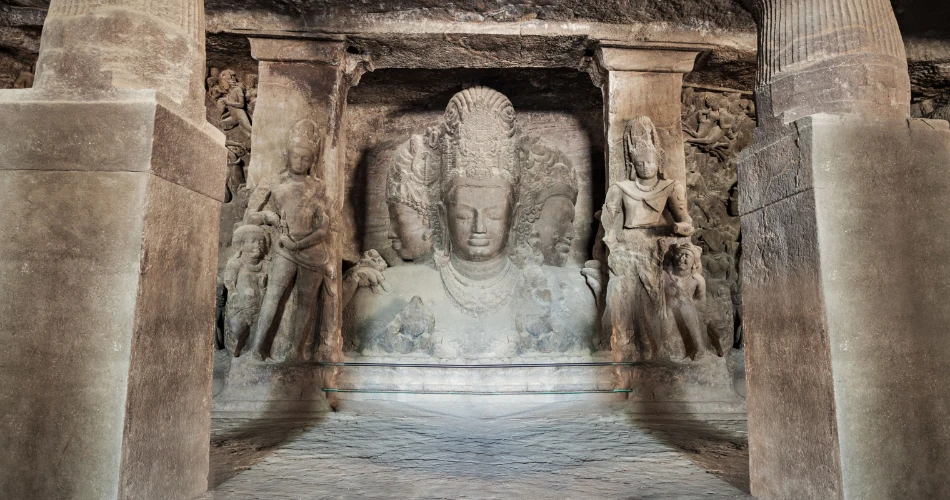
Gua Elephanta diyakini telah dipahat antara abad ke-5 dan ke-8 selama pemerintahan dinasti Hindu yang kuat, mungkin Kalachuris atau Rashtrakutas. Awalnya dikenal sebagai Gharapuri (yang berarti “desa gua”), situs ini dinamai “Elephanta” oleh penjelajah Portugis pada abad ke-16 setelah mereka menemukan patung gajah batu besar di dekat pantainya. Sementara patung itu sekarang berada di Jijamata Udyan (Taman Victoria) di Mumbai, gua-gua itu sendiri terus melambangkan warisan spiritual dan artistik India yang kaya. Ukiran yang rumit, kuil, dan patung menawarkan sekilas tentang waktu ketika devosi dan keterampilan berpadu dengan sempurna. Diakui sebagai Situs Warisan Dunia UNESCO pada tahun 1987, Gua Elephanta bukan hanya peninggalan masa lalu—mereka adalah pengingat hidup tentang identitas budaya India yang abadi. Bagi para pengunjung, menjelajahi gua-gua ini seperti berjalan melalui museum hidup di mana setiap batu memiliki cerita untuk diceritakan.
Perjalanan ke Pulau Elephanta
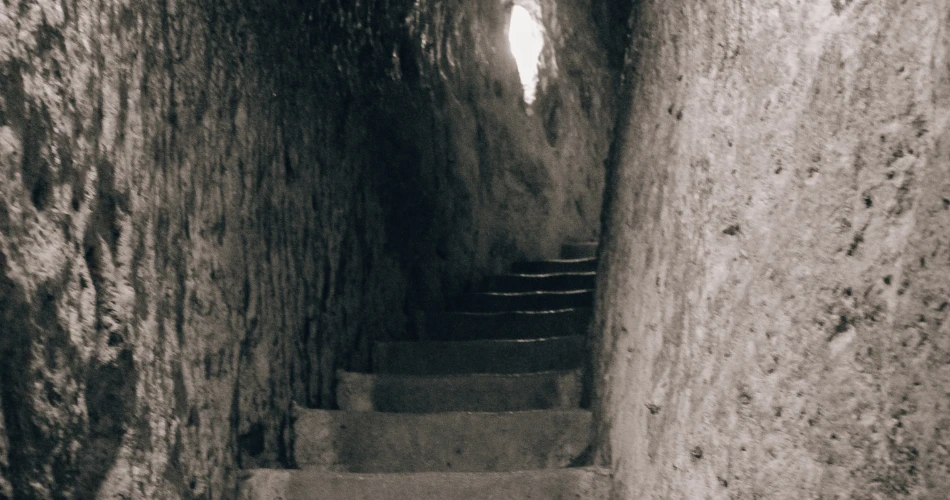
Petualangan Anda dimulai di Gerbang India yang ikonis di Mumbai, di mana feri ke Pulau Elephanta beroperasi sepanjang pagi dan sore. Perjalanan feri selama satu jam adalah pengalaman tersendiri, menawarkan pemandangan panorama Laut Arab, kapal-kapal angkatan laut, dan cakrawala Mumbai yang memudar di kejauhan. Dek atas feri adalah tempat favorit bagi para penggemar fotografi, sementara dek bawah menyediakan naungan dan kenyamanan. Setibanya, pengunjung disambut oleh kehijauan yang subur, perjalanan dengan kereta mainan kecil ke dasar bukit, dan lorong pasar yang ramai dipenuhi kerajinan tangan, perhiasan, dan makanan jalanan. Mendaki lebih dari 120 anak tangga batu menuju gua mungkin terlihat menantang, tetapi jalan setapak yang teduh yang dipenuhi pedagang membuat perjalanan ini menarik. Setiap langkah terasa seperti inisiasi ke dalam dunia sejarah dan spiritualitas, menjadikan pulau ini bukan hanya sebagai daya tarik wisata tetapi juga perjalanan ke jantung masa lalu kuno India.
Trimurti yang Megah: Sebuah Karya Agung dalam Batu
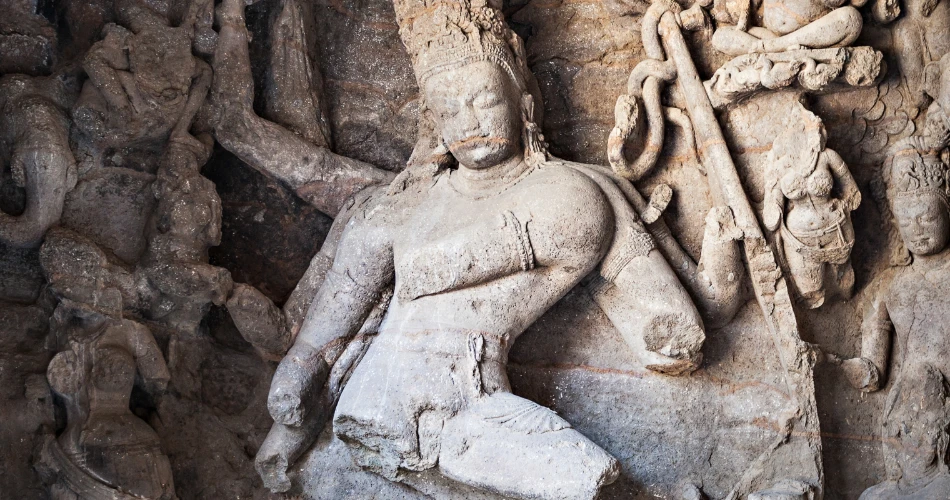
Pusat dari Gua Elephanta adalah patung Trimurti Sadashiva yang mengagumkan. Tingginya hampir 20 kaki, penggambaran tiga kepala Dewa Shiva ini mewujudkan fungsi kosmik dewa—Pencipta (Brahma), Pemelihara (Vishnu), dan Penghancur (Maheshwara). Setiap wajah menceritakan sebuah kisah: satu tenang dan meditatif, yang lain tegas dan memerintah, dan yang ketiga lembut dan memelihara. Keseimbangan energi ini mencerminkan filosofi spiritual yang mendalam dari Hindu. Trimurti sering digambarkan sebagai jiwa dari Elephanta, menarik peziarah, pencinta seni, dan sejarawan. Berdiri di depannya, pengunjung sering merasakan rasa takjub yang luar biasa, seolah-olah patung tersebut melampaui waktu dan berbicara langsung kepada jiwa. Skala dan detail dari Trimurti menjadikannya salah satu karya agung terbesar seni batu potong India, bahkan menyaingi patung-patung di gua Ellora dan Ajanta.
Menjelajahi Arsitektur yang Dipahat di Batu
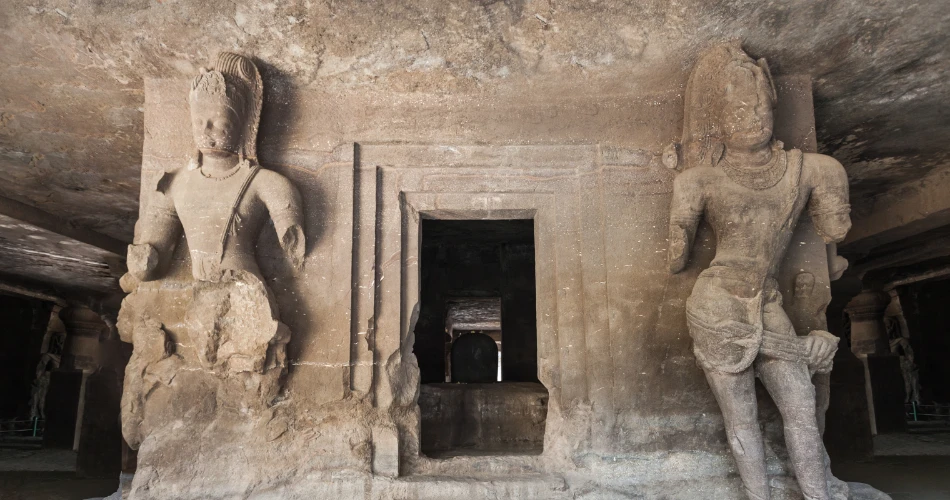
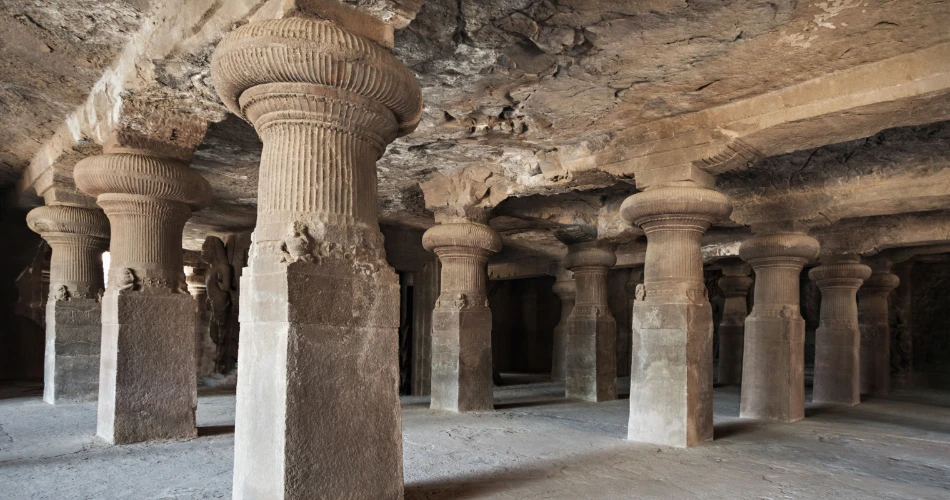
Di luar Trimurti, Gua Elephanta adalah harta karun ukiran mitologis dan keajaiban arsitektur. Kompleks ini dibagi menjadi lima gua Hindu dan dua gua Buddha yang lebih kecil. Gua-gua Hindu, yang didedikasikan untuk Dewa Shiva, menampilkan panel-panel rumit yang menggambarkan cerita-cerita penting: Gangadhara (turunnya Sungai Gangga), Ardhanarishvara (persatuan Shiva dan Parvati sebagai satu bentuk), dan Kalyanasundara (pernikahan Shiva). Arsitekturnya menampilkan tiang-tiang besar, pintu-pintu ornamen, dan ruang suci yang dipahat langsung ke dalam batu basalt, semuanya tanpa penggunaan semen. Gua-gua Buddha, meskipun lebih sederhana, digunakan sebagai aula meditasi, menyoroti warisan spiritual pulau yang inklusif. Berjalan melalui ruangan-ruangan ini terasa seperti melangkah ke dalam kisah epik yang terbekukan dalam batu, di mana para pengrajin mengubah batu mentah menjadi seni ilahi yang terus menginspirasi pengunjung hingga hari ini.
Pentingnya Spiritual dan Budaya
Gua Elephanta bukan hanya karya seni—mereka adalah tempat ibadah dan meditasi. Selama berabad-abad, para pengikut Dewa Shiva menganggap Pulau Elephanta suci, menggunakan guanya untuk ritual, doa, dan refleksi. Representasi simbolis Shiva dalam berbagai bentuk mencerminkan kebenaran universal: penciptaan, pelestarian, dan penghancuran sebagai siklus alami kehidupan. Bahkan di era modern, banyak pengunjung melaporkan merasakan ketenangan dan koneksi spiritual saat menjelajahi gua-gua tersebut. Situs ini juga memiliki pentingnya budaya, dengan festival tahunan seperti Festival Musik dan Tari Elephanta, di mana para seniman klasik tampil di latar belakang dramatis gua-gua tersebut. Perpaduan warisan, spiritualitas, dan seni pertunjukan ini menjadikan Elephanta lebih dari sekadar tujuan wisata—ini adalah pusat budaya yang merayakan tradisi hidup India.
Panduan Perjalanan Praktis untuk Pengunjung
Merencanakan sebelumnya dapat meningkatkan kunjungan Anda ke Gua Elephanta. Waktu terbaik untuk mengunjungi adalah dari bulan November hingga Maret, ketika cuaca menyenangkan dan laut tenang. Kapal feri beroperasi antara pukul 9:00 pagi dan 2:00 siang dari Gerbang India, kembali pada sore hari. Biaya masuknya nominal untuk warga negara India dan sedikit lebih tinggi untuk pengunjung internasional, menjadikannya dapat diakses oleh semua orang. Wisatawan disarankan untuk mengenakan sepatu yang nyaman untuk pendakian ke atas, membawa air minum, dan menghindari bulan monsun ketika layanan feri dihentikan. Penggemar fotografi sebaiknya mengunjungi di pagi hari untuk mendapatkan cahaya alami terbaik di dalam gua. Selain itu, pasar dekat gua menawarkan suvenir unik seperti patung miniatur, perhiasan, dan makanan ringan lokal—sempurna bagi para pelancong yang mencari kenang-kenangan yang autentik. Perpaduan kenyamanan praktis dan cita rasa budaya ini memastikan setiap kunjungan menjadi tak terlupakan.

Mengapa Gua Elephanta Harus Ada di Daftar Impian Anda
Jika Mumbai adalah kota impian, Gua Elephanta adalah jendela ke dalam sejarah dan spiritualitas. Apa yang membuat tujuan ini benar-benar istimewa adalah kemampuannya untuk menggabungkan seni, budaya, dan alam dalam satu paket. Bagi penggemar sejarah, gua-gua ini adalah pelajaran dalam kerajinan kuno; bagi pencari spiritual, mereka adalah tempat suci yang damai; dan bagi para pelancong santai, mereka adalah perjalanan sehari yang sempurna penuh petualangan, fotografi, dan eksplorasi budaya. Perjalanan feri, bazaar yang ramai, pendakian, dan akhirnya patung-patung menakjubkan semuanya bersatu sebagai pengalaman perjalanan yang holistik. Mengunjungi Gua Elephanta bukan hanya tentang mencentang situs UNESCO—ini tentang menghubungkan dengan warisan India pada tingkat yang lebih dalam. Apakah Anda lokal atau internasional, perjalanan ke Elephanta meninggalkan Anda dengan kenangan dan cerita yang layak untuk dihargai.

Kesimpulan
Gua Elephanta lebih dari sekadar keajaiban arkeologi—mereka adalah perwujudan hidup dari sejarah budaya dan spiritual India yang kaya. Dari Trimurti yang mengagumkan hingga perjalanan feri yang damai melintasi Laut Arab, setiap bagian dari perjalanan menceritakan sebuah kisah. Bagi siapa pun yang mengunjungi Mumbai, Pulau Elephanta menawarkan perpaduan sempurna antara petualangan, ketenangan, dan eksplorasi budaya. Saat Anda berdiri di depan patung-patung kuno yang dipahat dari batu padat, Anda menyadari bahwa Elephanta bukan hanya tempat untuk dikunjungi tetapi juga pengalaman yang akan selalu bersama Anda.